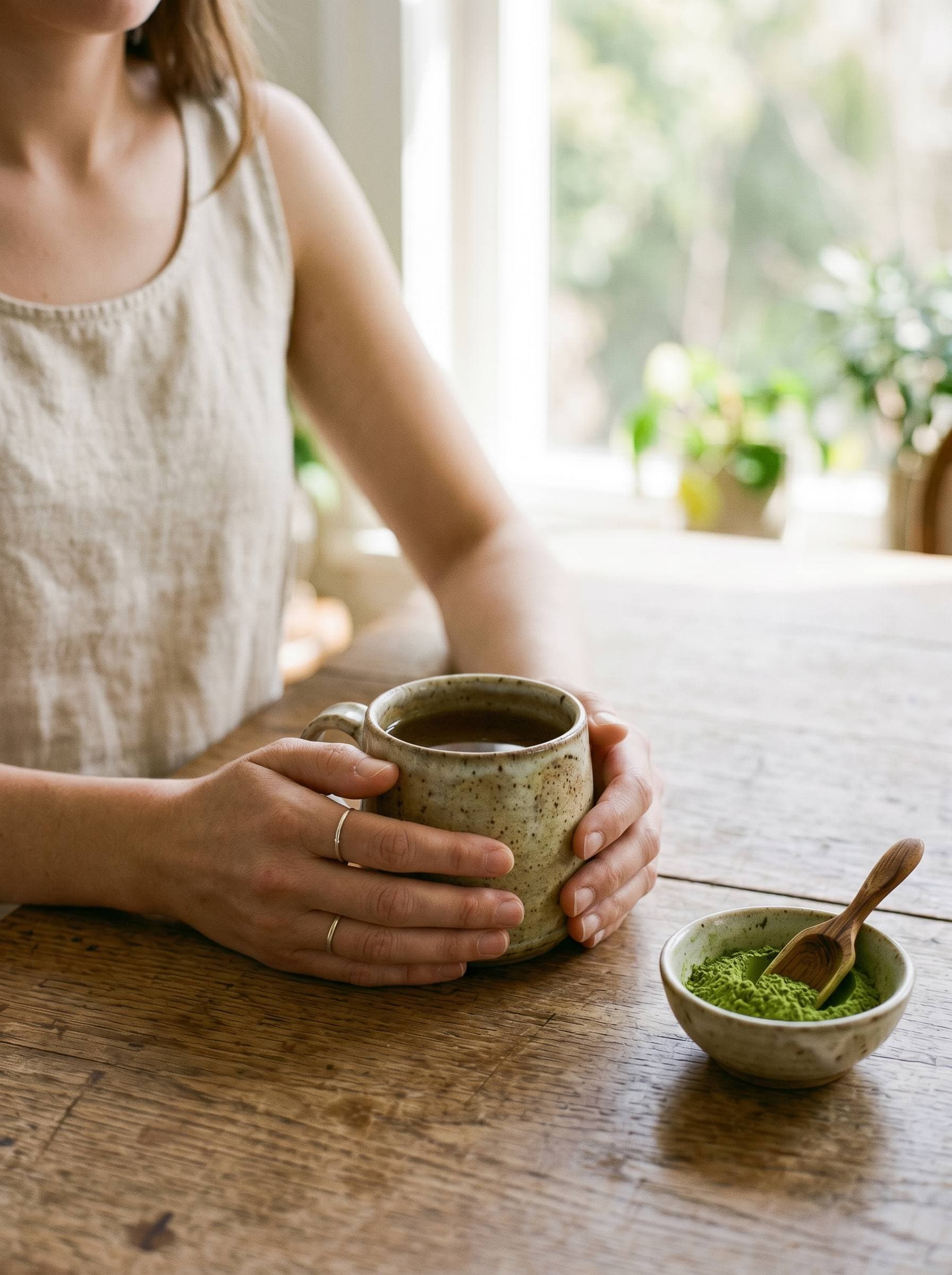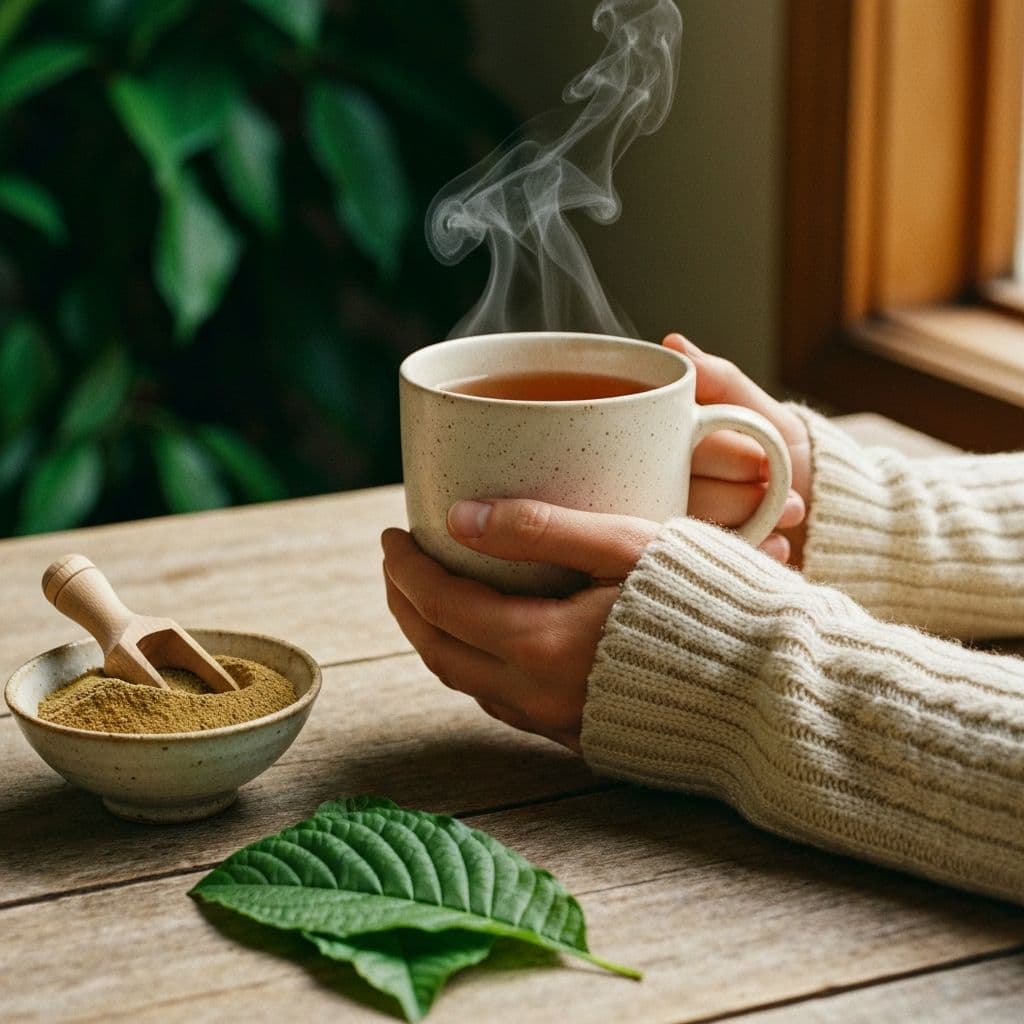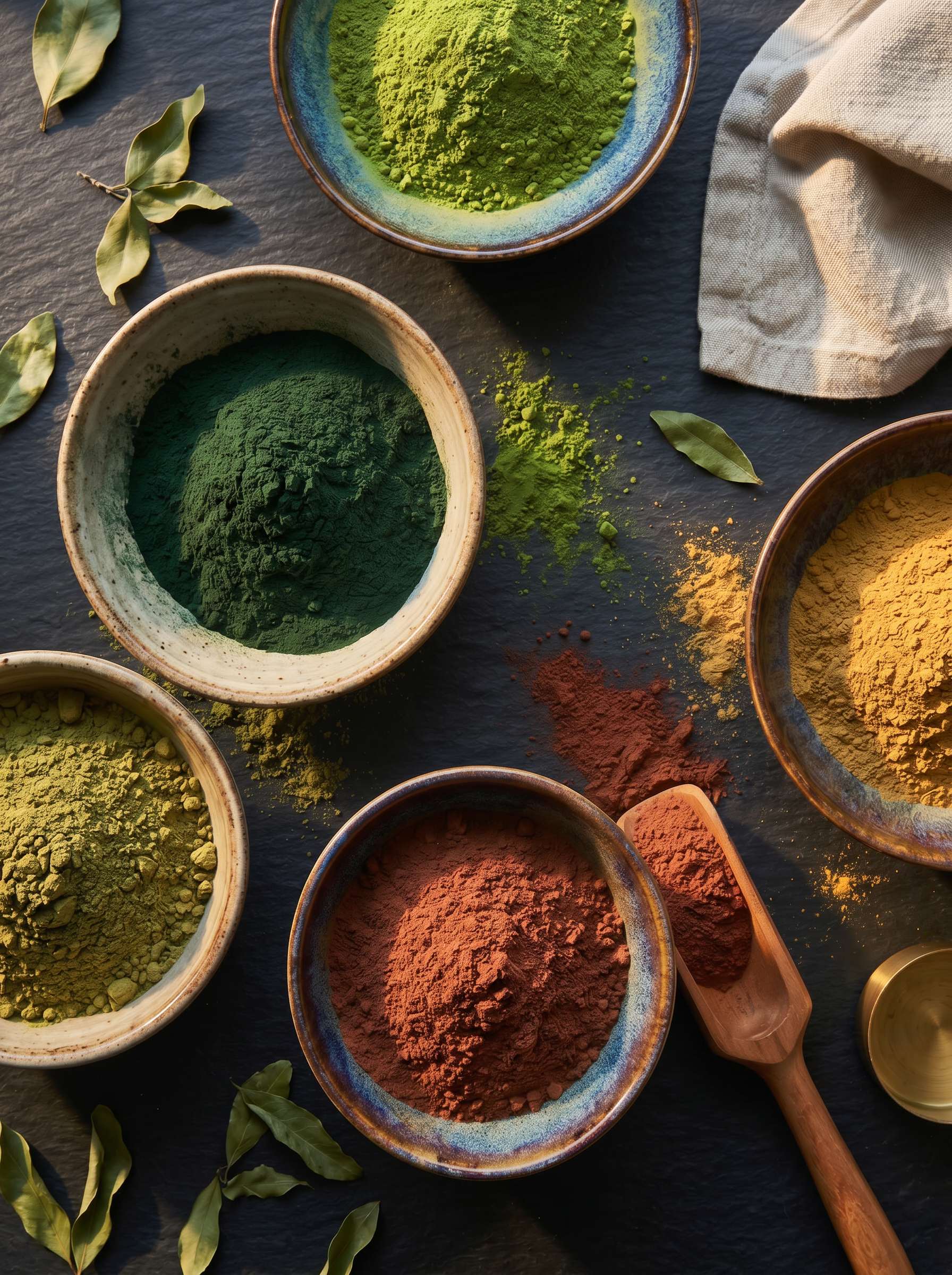
Kratom rewards attention. The same leaf can be an unremarkable sip between tasks or a genuinely good part of your day, and the difference comes almost entirely from how you bring it in. This article is about treating kratom as a practice — the way a coffee drinker treats a morning pour-over or a tea drinker treats an afternoon brew — rather than as a product you consume.
None of this is rules. It’s a handful of principles that experienced kratom drinkers tend to land on independently, and it’s what we’ve seen make the biggest difference in how much people enjoy their kratom over time.
Choose your moments
The best routines start with a clear answer to one question: when in your day does this fit?
For some people, kratom is a morning ritual — a warm preparation alongside the start of the day, either replacing coffee or sitting next to it. For others, it’s an early-evening transition out of work into the rest of the day. For others still, it’s a weekend thing, saved for the mornings when there’s time and space to enjoy it slowly.
None of those is more right than the others. What matters is that the moment is yours by choice — you’ve decided this is when kratom fits your day, and the ritual takes its character from that choice. A morning routine feels different from an evening one, and neither is the same as a weekend one, even if the leaf is identical.
The ritual is part of the experience
Attention is an ingredient. A session you’ve set aside time for — brewed properly, served in something you like drinking from, paired with the setting you want — feels different from one you’ve hurried through between other things. The kratom is the same; what you bring to it isn’t.
This is the same reason a cup of good coffee made carelessly can feel worse than a cup of average coffee made well. Method and context are half the drink. With kratom, the effects are subtle enough that paying attention to the preparation and the setting genuinely changes how the session feels. The smaller the serving, the more this is true.
Practical version: give yourself a few unhurried minutes to prepare it, whether that’s brewing a tea, mixing a shake, or just setting out your capsules with a good glass of water. The time isn’t wasted. It’s part of what makes the session good.
The supporting habits
What you do around your kratom matters as much as the kratom itself. The same three things that make any daily ritual better make a kratom routine better:
- Hydrate. Drink water alongside each session, not just before. Kratom pairs especially well with being well-hydrated — the flavour is cleaner, and the session feels smoother.
- Eat. Kratom on a completely empty stomach hits faster but can feel a bit sharp. A light meal or a piece of fruit beforehand usually makes the session feel better-rounded.
- Sleep. Good rest is the quietest lever in any daily ritual. A well-rested body responds more reliably to a given serving, which means you get more out of less.
Finding your rhythm
A good routine takes shape over time. The first few weeks are for figuring out which strain and format you actually like. After that, the question becomes how often and in what rhythm kratom fits your life.
Most regular drinkers settle into some pattern of rest days within their week — not out of caution, but because the days with kratom feel more like themselves when they’re not every day. The contrast is part of the pleasure. A weekday-only rhythm, a morning-only rhythm, or a two-days-on-one-day-off cadence are all common landing places. Which one works for you is a matter of taste, not rules.
The rhythm that suits you is the one you don’t have to think about much. It fits the shape of your week. The sessions you do have feel deliberate, and the days without feel normal. For more on why a little space between sessions keeps the experience bright, see Taking breaks.
Small choices, compounding
The kratom drinkers who get the most out of it over years aren’t the ones with the most elaborate routines. They’re the ones who treat the drink as worth a little attention — the right water temperature for their tea, the glass they like using, the strain they’ve settled on, the moment of the day they’ve picked.
Those small choices compound. A routine built from them keeps giving you the thing that drew you to kratom in the first place — the warm lift of a morning cup, the quiet evening wind-down, the weekend pause — and it keeps giving it to you the same way three years in as it did the first month.
That’s the routine worth building.